Basic Skills Using Sand Tray Effectively in Play Therapy
 Cathi Spooner
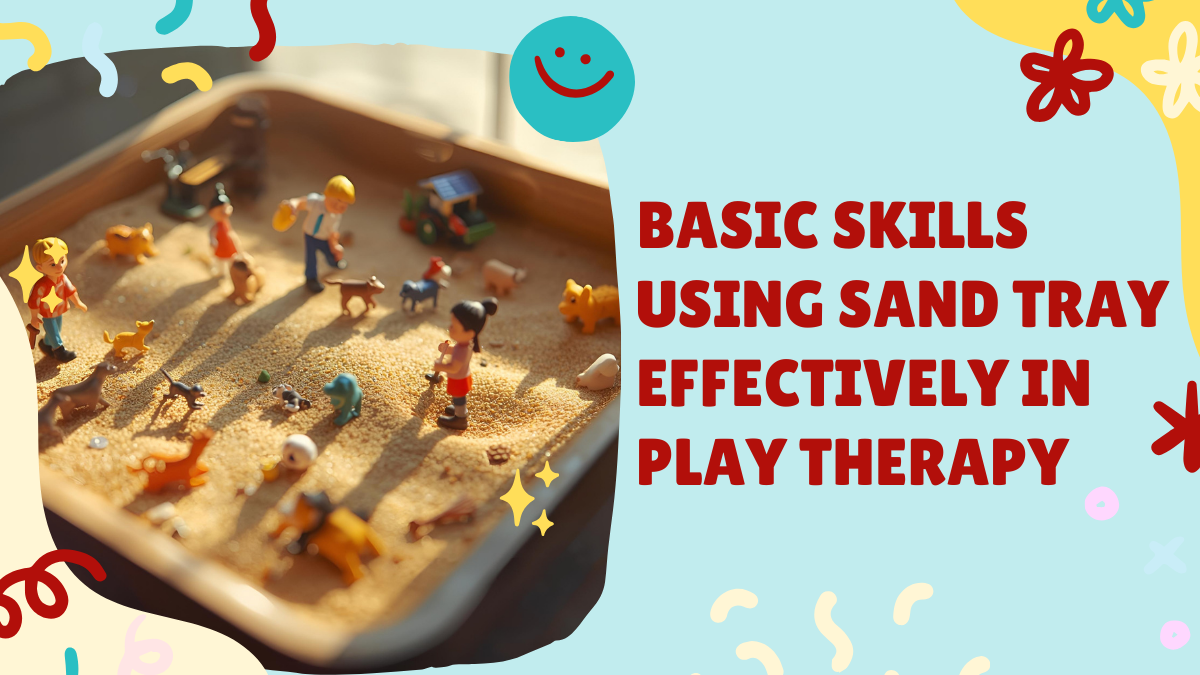
If you’ve ever felt overwhelmed about how to effectively use the sand tray in your family play therapy sessions, you’re not alone. The sand tray is an incredibly powerful tool—but only when used with intention, structure, and an understanding of how the therapeutic process unfolds through it.
In this post, we’re diving into four essential skills for integrating the sand tray into your family play therapy work. Whether you’re brand new or experienced, these tips will help you feel more grounded and confident in your approach.
1. Introduce the Sand Tray with Clear Intentions
When working with families, especially children, how you introduce the sand tray sets the tone for the entire experience. Be intentional and choose whether to use directive or non-directive prompts. A directive prompt might be:
“Create a world that shows what it feels like when your family gets along.”
While a non-directive prompt allows more open expression:
“You can use these miniatures however you like to make your world.”
Use your play therapy model and clinical insight to determine which approach supports your treatment goals. Then, give permission and structure to help the child or family members engage meaningfully—without overwhelm.
2. Set Boundaries to Protect the Relationship and the Space
Setting clear boundaries isn't about control—it’s about creating structure that protects the therapeutic relationship, the tools, and your time. For example, in Cathi’s playroom:
-
No shooting miniatures with Nerf darts
-
No knocking down all the miniatures
-
No playing with figures on the shelves
-
No shooting the therapist!
Boundaries preserve emotional safety, model respectful behavior, and maintain consistency. When children know what to expect, they’re better able to regulate themselves and engage in the work.
3. Organize Miniatures Intentionally
How your sand tray miniatures are arranged directly affects how clients interact with them. Standing them upright in categories allows clients (and their unconscious minds) to visually scan and select what they’re drawn to. This supports healing through implicit experience.
Yes, you can use bins or containers—especially if you're mobile or have limited space—but try to:
-
Categorize clearly (e.g., fences, animals, people, jewels)
-
Label containers when needed
-
Keep items consistently in the same place
Consistent organization builds a sense of predictability and safety. Your clients will intuitively go to the shelf or bin that matches what they're working on emotionally. This is a huge support in the regulation process.
✨Pro tip: Use a small paintbrush to dust your shelves and miniatures between sessions!
4. Choose Sand and Trays with Sensory Experience in Mind
Sand type matters. Most therapists start with inexpensive play sand—but beware: it's dusty. That nuclear cloud of dust? Not great for the playroom (or your coffee). Cathi recommends:
-
Mid-range sand (like Sandtastic): Less dust, better sensory experience
-
High-end sand (like Jurassic Sand): More expensive but completely dust-free and natural
-
Color and texture variety: Different options evoke different experiences
If you use multiple sand trays, avoid mixing colors (e.g., don’t let white and black sand become salt-and-pepper mush). Also, consider the shape of your tray—traditional rectangles have four corners, while round trays offer a completely different sensory and symbolic experience.
Remember: the tray is the container, the sand is the anchor, and the miniatures are the symbolic expression of your client’s inner world.
Final Thoughts
The sand tray is so much more than a box of sand and toys—it’s a powerful container for your client’s healing journey. When you bring in intention, structure, and an understanding of how to create safety and invitation, you open the door to deep therapeutic transformation.
Looking for more support in your sand tray work?
👉 Join us for in-person sand tray training using a neuroscience and attachment lens
👉 Or explore courses and consultation community inside Play Therapy Academy
Your next breakthrough with clients might just begin with a handful of sand.
Categories: : Play Therapy, Play Therapy Academy, Play Therapy Model, Play Therapy Themes, Podcast, Sand Tray Therapy