The Missing Piece: How to Include Parents in Play Therapy for Children with Trauma
 Cathi Spooner
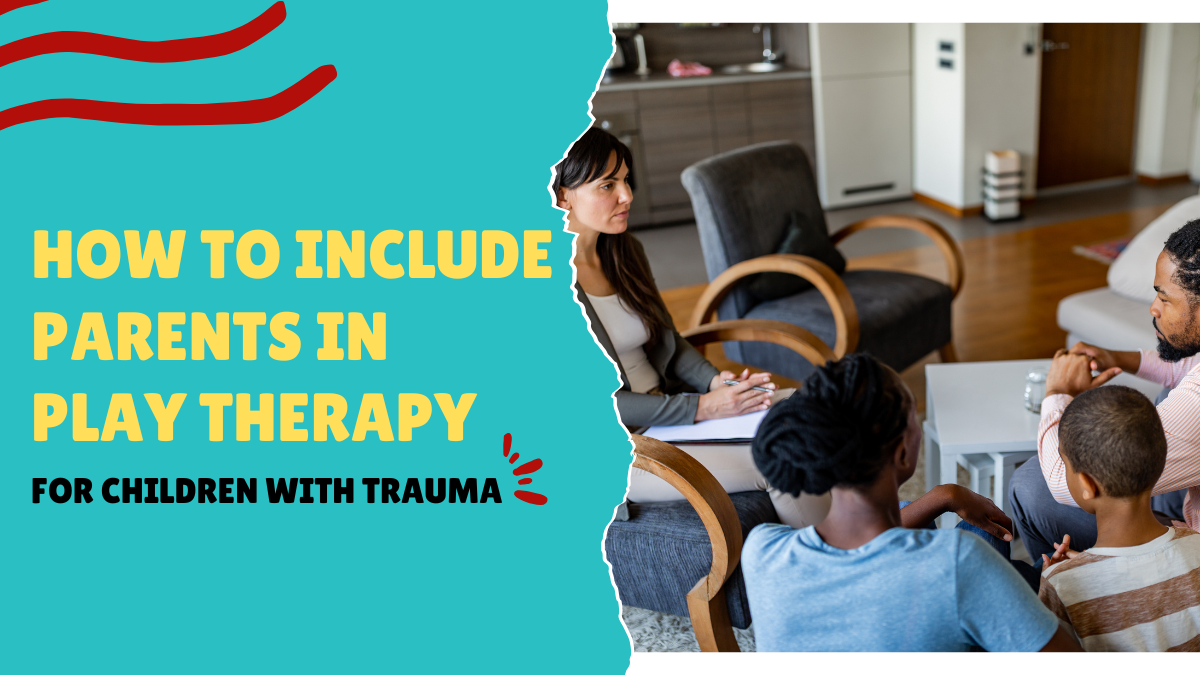
Why trauma play therapy often stalls without caregiver involvement—and how I use a neuroscience and attachment lens to guide treatment planning
When I work with traumatized children and teens, one of the questions that comes up over and over again in consultation, trainings, and supervision is this:
“How do I include parents or caregivers in the play therapy process?”
And if the child is in foster care, the question becomes even more complicated.
In this week’s episode of Next Level Play Therapy, I continued our discussion from last week’s case conceptualization episode by walking through the next critical step:
How I use case conceptualization to guide treatment planning and caregiver involvement.
Because in my experience, even strong play therapy work can stall if caregivers are not intentionally integrated into the healing process.
Why I Believe Parent Involvement Matters in Trauma Play Therapy
One of the biggest mistakes I see play therapists make is either:
- Not involving caregivers at all
- Or involving them without a clear therapeutic framework
When I’m working with traumatized children, I don’t view healing as something that happens only inside the playroom.
Children heal in relationship.
And when trauma happens within relationships—or disrupts attachment relationships—then the therapeutic process eventually has to address those attachment systems.
Revisiting Carla’s Case
In this episode, I continued using the fictional case study of Carla, a seven-year-old girl placed in foster care after experiencing chronic neglect, homelessness, and parental substance abuse. (If you want to read the previous blog, click here).
Carla presents with:
- Nightmares
- Food hoarding
- Emotional withdrawal
- Clinginess
- Difficulty separating from caregivers
- Increased dysregulation after supervised visits with parents
Her play therapist, Sarah, feels stuck because Carla is not engaging much in the playroom.
And honestly? Most play therapists have experienced this at some point.
We start wondering:
- Am I doing something wrong?
- Why isn’t this child opening up?
- Why isn’t the play therapy “working” yet?
But when we shift from focusing on the behavior to understanding trauma and attachment, the treatment process starts to make much more sense.
Why Case Conceptualization Changes Everything
I say this all the time:
You cannot figure out what to do until you understand what is happening underneath the behavior.
Instead of viewing Carla’s behaviors as manipulation, defiance, or “attention-seeking,” I conceptualize them as adaptive survival responses.
For example:
Food Hoarding
This is not simply “bad behavior.”
This may be a nervous system adapting to chronic unpredictability and food insecurity.
Clinginess
This is not dependency.
This is an attachment system desperately searching for safety.
Withdrawal
This is not resistance.
This is self-protection.
Once we understand the behavior through a neuroscience and attachment lens, treatment planning changes dramatically.
Why I Integrate Caregivers Into Trauma Treatment
If Carla’s nervous system is organized around survival and threat detection, then healing requires more than individual play therapy sessions.
It requires:
- Co-regulation
- Felt safety
- Predictable caregiving
- Emotional attunement
- Relational repair
That means caregivers become an essential part of the treatment process.
As I shared in the episode:
“Carla needs to re-experience caregiver relationship as safe and reliable.”
Traumatized children often cannot regulate independently yet.
Their nervous systems need regulated adults to help them feel safe enough to heal.
One of the Biggest Mistakes I See
When therapists work with children in foster care, one of the biggest mistakes I see is a lack of collaboration with foster care workers.
Before I can effectively integrate caregivers into treatment, I need to understand:
- What the reunification plan is
- Who will remain involved long-term
- What visitation looks like
- Who has legal guardianship
- Which adults are safe attachment figures
Without this information, treatment planning becomes incomplete.
Why Attachment-Based Parenting Support Matters
Another thing I’ve learned over the years is this:
Behavioral strategies alone often do not work well with traumatized children.
Caregivers frequently need support learning:
- Attachment-based parenting strategies
- Nervous system regulation
- Co-regulation skills
- Trauma-informed responses
- How to respond to dysregulation without escalating it
And we also have to remember:
Many caregivers have trauma histories themselves.
That means the child’s dysregulation can activate the adult’s nervous system too.
This is why dedicated caregiver sessions matter so much.
How I Think About Treatment Planning
When I’m creating a treatment plan, I always start with the play therapy model.
Your theoretical framework matters.
For example:
Child-Centered Play Therapy
May involve parent consultation sessions outside the playroom
Attachment-Focused Family Play Therapy
May involve direct caregiver participation inside sessions
Integrative Play Therapy
May combine attachment work, expressive arts, family sessions, and trauma-informed interventions
The key is intentionality.
I don’t want caregivers loosely “included.”
I want their involvement to align with the therapeutic goals and the theoretical framework guiding treatment.
What This Might Look Like for Carla
For Carla’s treatment plan, I would likely include:
Individual Play Therapy Sessions
To support safety, expression, and regulation
Caregiver Sessions
To teach attachment-based parenting strategies
Family Play Therapy Sessions
To facilitate attachment repair and co-regulation
Collaboration With Foster Care Workers
To ensure treatment aligns with reunification planning
Ongoing Assessment
To determine which adults need to remain involved in the healing process
This creates a coordinated, trauma-informed approach rather than simply trying to “manage behavior.”
Why Consistency Matters
One thing I strongly believe is that caregiver work cannot happen randomly or only during crises.
There needs to be:
- Consistent caregiver meetings
- Clear communication
- Psychoeducation
- Preparation before family sessions
- Ongoing collaboration
Without preparation, family sessions can quickly become dysregulating rather than healing.
Trauma Is Relational—So Healing Must Be Relational Too
One of the biggest themes throughout this episode is this:
Trauma disrupts attachment and felt safety.
So healing often requires restoring relational safety.
This is why integrating caregivers is not just an “extra” part of trauma treatment.
In many cases, it is one of the most important parts.
Final Thoughts
When therapists feel pressure to stop behaviors quickly, it becomes easy to focus only on symptom reduction.
But when trauma and attachment disruption are underneath the behavior, symptom-focused interventions alone often fall short.
Instead, I encourage play therapists to ask:
- What is this child’s nervous system communicating?
- What need is this behavior trying to meet?
- How do we create enough safety for healing to happen?
- How can caregivers become part of that healing process?
That shift changes everything.
Want to Learn More?
Healing Trauma Through Play Therapy: A Neuroscience and Attachment Approach
In this upcoming training, I’ll walk you through:
- Trauma and attachment through a neuroscience lens
- Case conceptualization
- Treatment planning
- Caregiver integration
- Attachment-focused play therapy interventions
- Practical strategies for children and teens
You can register for this training by clicking here.
Training Options:
- Virtual
- In-person in St. George, Utah
- Recorded version available
Bonus for New Members:
When you register for the training, you’ll also receive 60 days of access to Play Therapy Elevation Circle.
Play Therapy Elevation Circle
Play Therapy Elevation Circle is my ongoing consultation and support community for play therapists who want:
- Case consultation
- Clinical discussion
- Community support
- Book club
- Ongoing learning and integration
Because play therapists should not have to do this work alone.
Categories: : Case Conceptualization, emotion regulation, Play Therapy, Play Therapy Academy, Play Therapy Elevation Circle, Podcast, Trauma