Music Therapy for Healing Trauma & Grief in Play Therapy
 Cathi Spooner
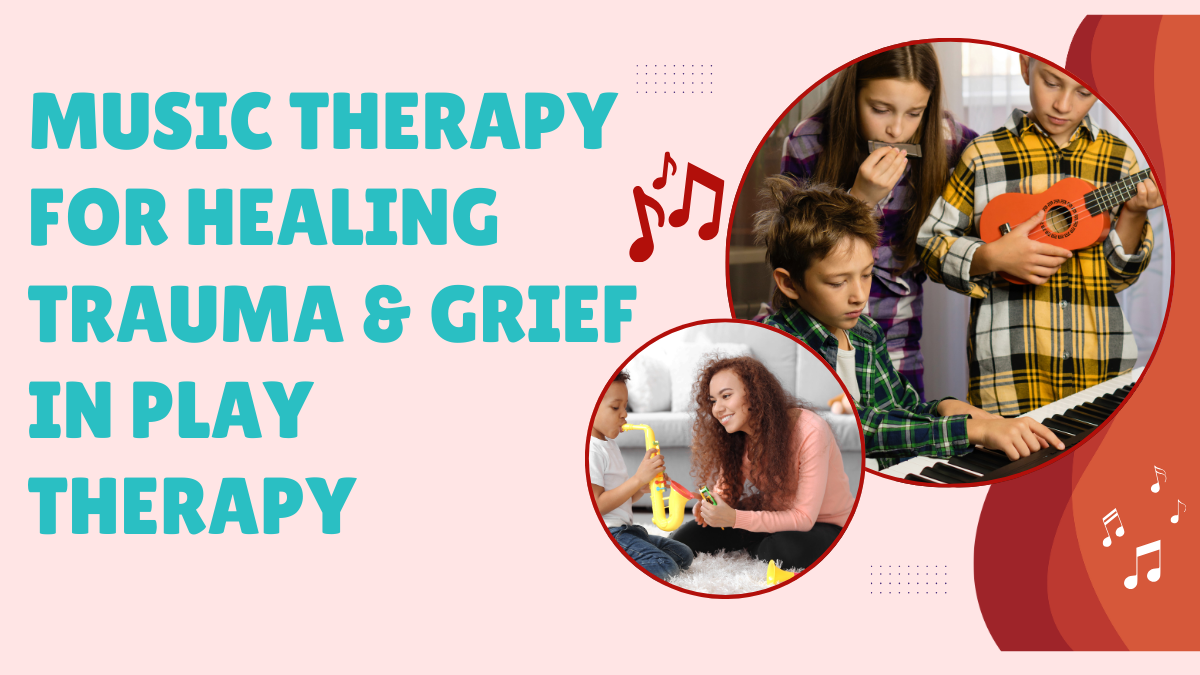
Imagine creative therapies like vehicles on a healing journey. Music therapy might be the finely tuned instrument panel, humming with emotional tones and rhythm. Play therapy might be the spacious interior where kids explore, test boundaries, and learn to trust. No matter the route—music, play, art—it’s the attuned adult in the driver’s seat who makes the ride safe.
In this special conversation with Crystal Luk-Worrall, music therapist and founder of Clap and Toot, we explored the intersections between music therapy and play therapy—and what it really takes to help children navigate trauma, attachment disruptions, and emotional regulation through creative modalities.
The Environment Matters More Than You Think
Crystal painted a vivid picture of how environment and routine foster safety in therapy. Whether you’re in a school, office, or therapy space, consistency in setup, timing, and therapist presence helps dysregulated children settle into a predictable rhythm.
Children exposed to trauma often develop hypervigilance. In one example, Crystal shared how a child noticed a single missing rainbow beater from a jar—proof of the deep environmental scanning that comes from surviving in unsafe spaces. In response, music therapists must thoughtfully design their rooms, tools, and transitions to honor that hyper-attunement.
This mirrors what play therapists know to be true: our toy choices, lighting, layout, and even how we show up (yes, even skipping Crazy Hair Day!) send important cues to children’s nervous systems.
Regulation Happens Through Relationship
A theme that echoed throughout our conversation was this: regulation comes not just from instruments or toys, but from the therapist’s voice, tone, and body language. We are the instrument—our tone, rhythm, consistency, and expression speak to the child’s limbic system even before a word is spoken.
Crystal offered a brilliant reminder: the survival brain doesn’t speak English—it speaks in sensory language. This means a calm voice, facial expression, and predictable musical structure can soothe far more than verbal reasoning.
In play therapy, we use similar tools—movement, storytelling, art, puppets—to speak the language of the nervous system. The therapeutic presence becomes the anchor, the co-regulator, the safe base from which exploration is possible.
Communicating the "Therapy" Behind the Creativity
Many creative therapists are asked some version of, “But aren’t you just playing?” or “Isn’t this just music?” These questions, especially when asked of newer therapists, can stir up imposter syndrome or defensiveness.
Crystal reframed this beautifully: therapy isn’t about convincing others that our work is valid—it’s about clearly articulating our clinical intent. What are the non-musical or non-play goals? What therapeutic processes are unfolding beneath the surface?
If we can explain our actions in clinical terms, we bridge the gap between creative practice and clinical understanding. This strengthens our confidence, protects the integrity of our work, and helps others recognize the value of what we do.
A Note on Boundaries and Professionalism
Crystal also shared a powerful moment from her hospice training: feeling guilty about leaving a client near end of life. Her supervisor reminded her that boundaries are part of the work—and when we stay stuck in guilt or self-doubt, we lose presence with our clients.
This is a vital lesson for play therapists, especially those working with attachment and grief: your emotional responses matter and should be explored in supervision—but they don’t define your worth as a clinician. Our presence, even in the short-term, can offer profound healing.
So, What Now?
If this conversation resonated with you as a play therapist, and you’ve ever asked…
-
How do I know if this is “just play” or something deeper?
-
How do I explain what I do to others who don’t understand play therapy?
-
How do I integrate creative approaches with a strong clinical foundation?
…then it may be time to deepen your skills with clear, practical support.
🎓 Check out my membership/consultation: Play Therapy Academy
The online play therapy consultation/supervision groups focus on helping mental health professionals working with children, adolescents, and families identify behavior and relationship patterns as well as identify the underlying emotional issues for your clients' presenting problems.
Final Thought
Music therapy and play therapy may use different mediums, but they share the same heart: to co-regulate, to empower, and to make the invisible wounds of trauma a little more seen, soothed, and supported.
Special thanks to Crystal Luk-Worrall from Clap and Toot for sharing her incredible wisdom. You can connect with her at clapandtoot.com or find her on LinkedIn.
Categories: : Play Therapy, Play Therapy Model, Play Therapy Themes, Podcast, Trauma